Turn a knowledge base into an AI assistant
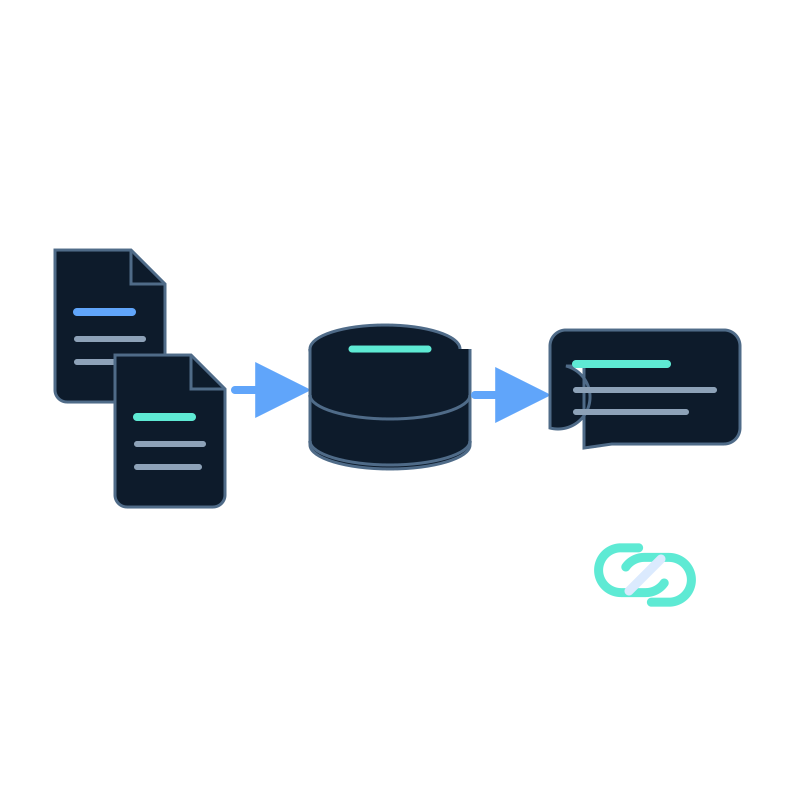
A knowledge base is ready for an assistant when its articles contain current, approved answers. The assistant adds a question interface; it does not repair contradictory policies or missing procedures.
Define the answer boundary
List the article sections the assistant may use. Keep private staff notes, account data, drafts, and obsolete versions outside a public dataset.
Map the most common visitor tasks to authoritative articles. If two articles answer the same question differently, resolve that before capture.
Capture and inspect the articles
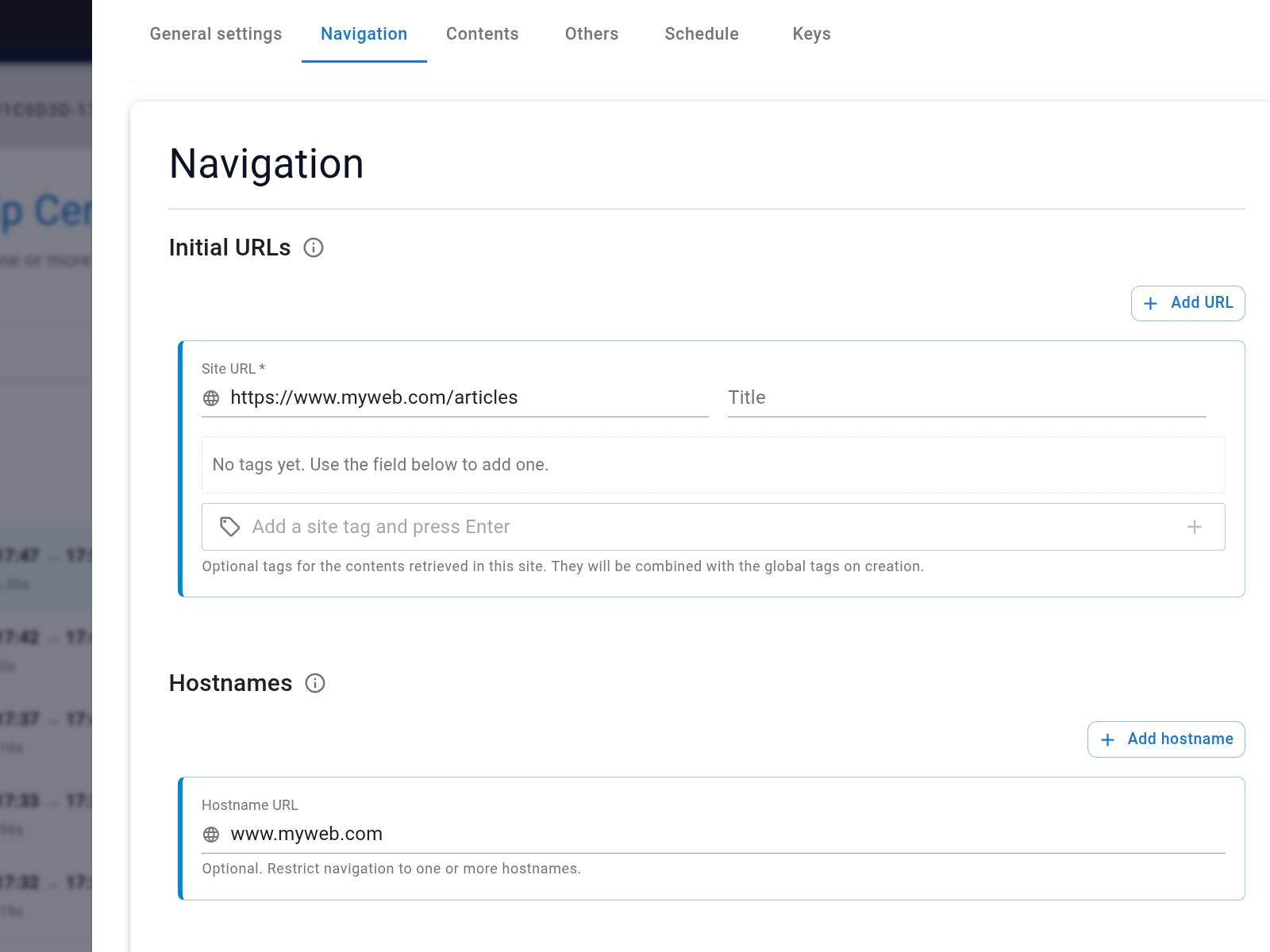
Create or select a memory dataset, then configure a website data capture job for the knowledge-base hostname and paths. Start with a small scope and review discovered links.
Open the dataset contents and search for known article titles and facts. Confirm that the captured body contains the procedure, exception, or policy the assistant needs.
Configure the assistant
Connect the dataset to an assistant. Set response instructions that describe scope and fallback behavior without restating every source fact.
Useful rules include:
- answer from the connected knowledge base;
- keep procedural steps in their documented order;
- show supporting source links;
- say when the sources do not provide an answer; and
- direct account-specific or exceptional cases to the appropriate contact.
Run an acceptance test
Test common tasks, messy wording, unsupported questions, and known exceptions. Record the expected source and check that every material claim is supported by it.
A source link is useful only when it opens the article containing the stated answer. A generic link to the knowledge-base homepage is not enough.
Publish and maintain
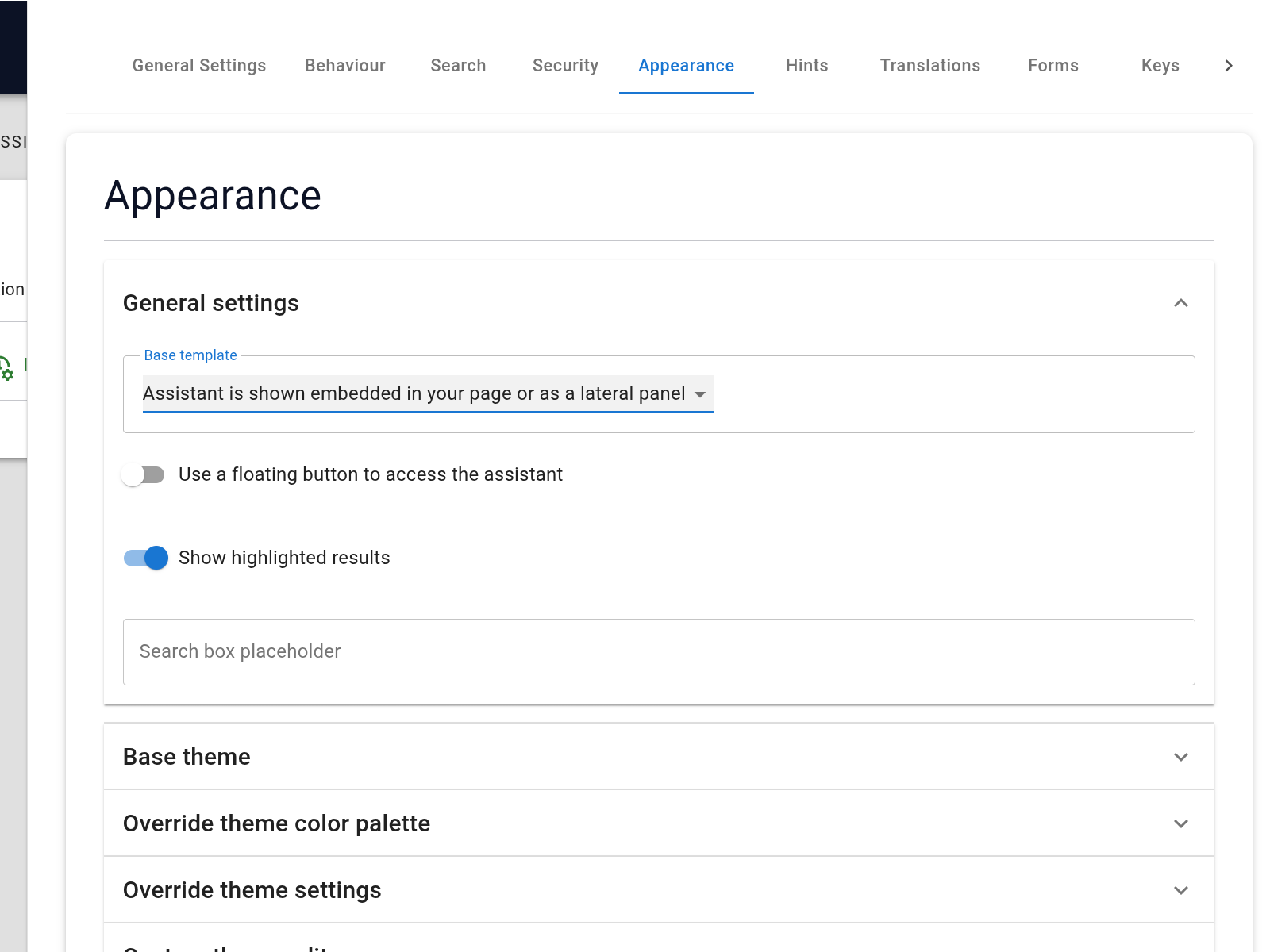
Choose an embedded assistant for page-level availability or a Search Center for a dedicated search destination. After launch, review conversation history for repeated questions and negative reactions.
When an article changes, refresh the dataset and rerun the affected questions. The operational loop is knowledge-base ownership first, capture second, and answer review last.