What an AI chatbot should do when it does not know the answer
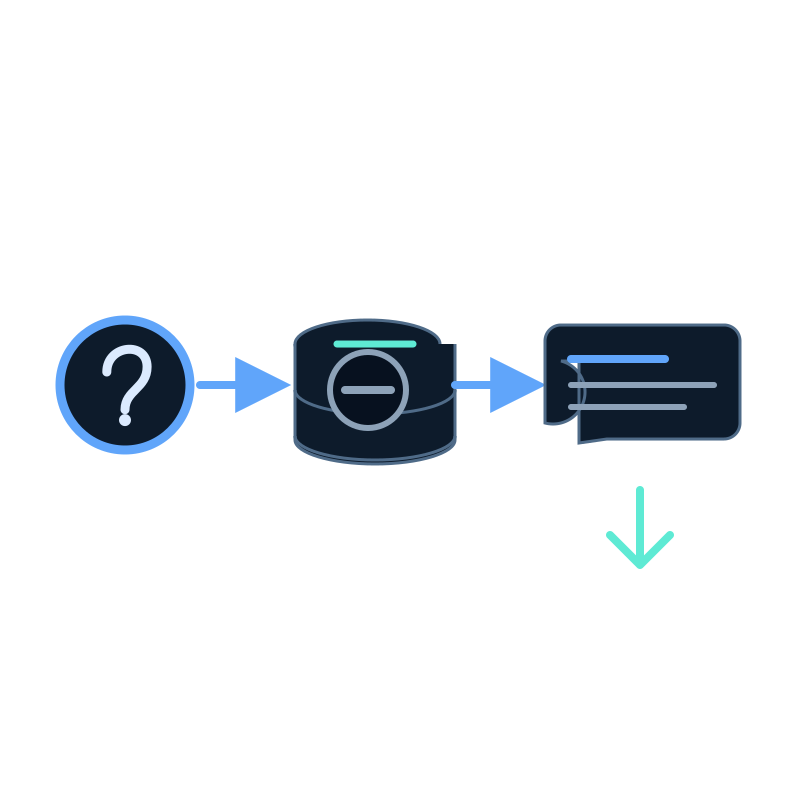
A chatbot should not hide uncertainty behind a longer answer. When the approved sources do not support a response, the useful behavior is to explain the limit and offer a next step that fits the question.
Different causes need different fallbacks.
Distinguish why the answer is unavailable
| Situation | Appropriate response |
|---|---|
| Question is ambiguous | Ask one focused clarifying question |
| Related source exists but lacks the detail | State what the source covers and what it does not |
| Topic is outside the assistant's scope | Say so and link to the relevant area if known |
| Request needs account data | Direct the visitor to the signed-in workflow or support |
| Request needs judgment or approval | Explain that a person must decide |
| Sources conflict | State the conflict or avoid choosing until the source is resolved |
A generic "I don't know" is safe but often unhelpful. A fabricated answer is worse.
Write fallback rules around evidence
A practical instruction can say:
Answer from the connected sources. If they do not provide the requested fact, say that the available content does not answer it. Do not infer a policy or capability. Link to the closest relevant source and provide the designated contact path when one exists.
The exact wording should fit the audience and actual support process.
Test the fallback deliberately
Ask at least one question from each unavailable category. Check that the answer:
- does not introduce unsupported facts;
- distinguishes public information from account-specific help;
- asks for clarification only when it could change the answer;
- uses the correct contact or workflow; and
- does not trap the visitor in repeated apologies.
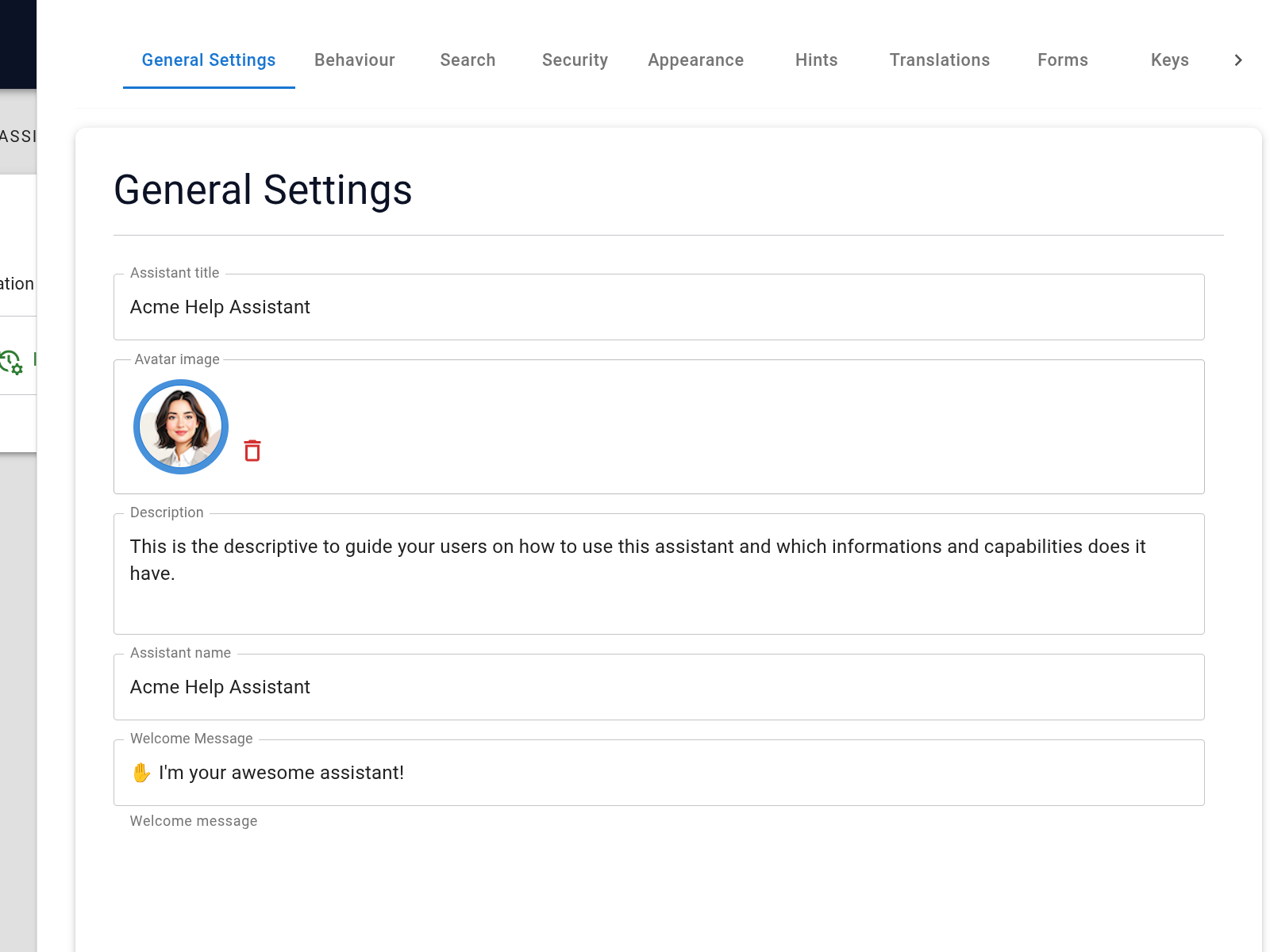
Turn repeated gaps into content work
Review conversation history for unsupported questions that recur. If the organization has an approved answer, publish it in an authoritative source, refresh the dataset, and add the question to regression tests.
If the organization intentionally does not publish the answer, keep the limitation. Not every gap should become public content.
A good fallback protects accuracy while helping the visitor move forward. It is part of the product experience, not an error message to hide.